Best time to visit
Climate data shows cold conditions from late autumn through early spring, with average temperatures below freezing in January, February, March, November and December. Summer is milder, with the warmest average temperatures in July and August and the most sunshine in July. Choose the timing according to whether you prefer a colder mountain stay or milder conditions for exploring the alpine surroundings.
Jan
-7.4°C
Rain158 mm
Sun6.2 h
Feb
-5.6°C
Rain101 mm
Sun7.4 h
Mar
-4.6°C
Rain138 mm
Sun8.3 h
Apr
-1.6°C
Rain90 mm
Sun9.8 h
May
2.3°C
Rain133 mm
Sun10.4 h
Jun
8.1°C
Rain105 mm
Sun12.0 h
Jul
11.2°C
Rain73 mm
Sun13.0 h
Aug
10.7°C
Rain92 mm
Sun11.5 h
Sep
6.5°C
Rain83 mm
Sun9.8 h
Oct
3.0°C
Rain98 mm
Sun8.0 h
Nov
-3.4°C
Rain133 mm
Sun6.4 h
Dec
-5.8°C
Rain176 mm
Sun5.7 h
Things to do
In Val Thorens
- Aiguille de PécletThe distinctive summit rises above Val Thorens and forms one of the area's most recognizable natural landmarks. Visitors generally admire it from trails and viewpoints, while experienced mountaineers may use it as an objective under suitable conditions. It is especially appealing to photographers, mountain enthusiasts, and travelers interested in high-alpine landscapes.
- Cime de CaronThis prominent alpine peak is a scenic destination above the resort, known for broad mountain panoramas and dramatic high-elevation terrain. Visitors typically reach viewpoints or approach it on marked mountain routes, depending on conditions and access. It suits hikers, photographers, and travelers seeking impressive scenery without requiring a full expedition.
Around Val Thorens
- Lac du LouThis mountain lake is surrounded by open slopes and rugged alpine scenery, making it a popular destination for a half-day outing. Visitors usually walk to the shoreline, enjoy the landscape, and photograph the reflections and surrounding peaks. It suits families, casual hikers, and travelers wanting a peaceful nature experience near Val Thorens.
- Parc national de la VanoiseThis protected mountain landscape encompasses valleys, peaks, glaciers, meadows, and habitats characteristic of the French Alps. Visitors generally explore it on marked trails, observe wildlife and plants, and enjoy viewpoints ranging from gentle valleys to demanding mountain terrain. It suits hikers, nature enthusiasts, photographers, and travelers looking for expansive wilderness close to Val Thorens.
- Col de la LozeThe pass is a high alpine viewpoint connecting mountain valleys and offering expansive scenery across the surrounding peaks. Visitors come for walking, cycling, sightseeing, and photography, with the landscape changing noticeably between seasons. It suits active travelers and road-cycling enthusiasts, while walkers can also appreciate the open summit environment and mountain atmosphere.
- Lac de TuedaThe lake lies in a tranquil mountain setting combining water, forest, meadows, and surrounding peaks. Visitors typically follow walking paths, observe the natural landscape, and use the area as a gentle base for exploring the valley. It suits families, nature lovers, photographers, and travelers seeking a quieter contrast to the ski-resort environment.
Where to stay

How we pick hotels
For each category, we shortlist a few standout stays by combining review quality (score), review confidence (volume), and how well the hotel matches the theme (spa, family, lake views, and more).
Apartments
A practical choice for travellers who want more space and a self-contained base in this high-altitude resort.
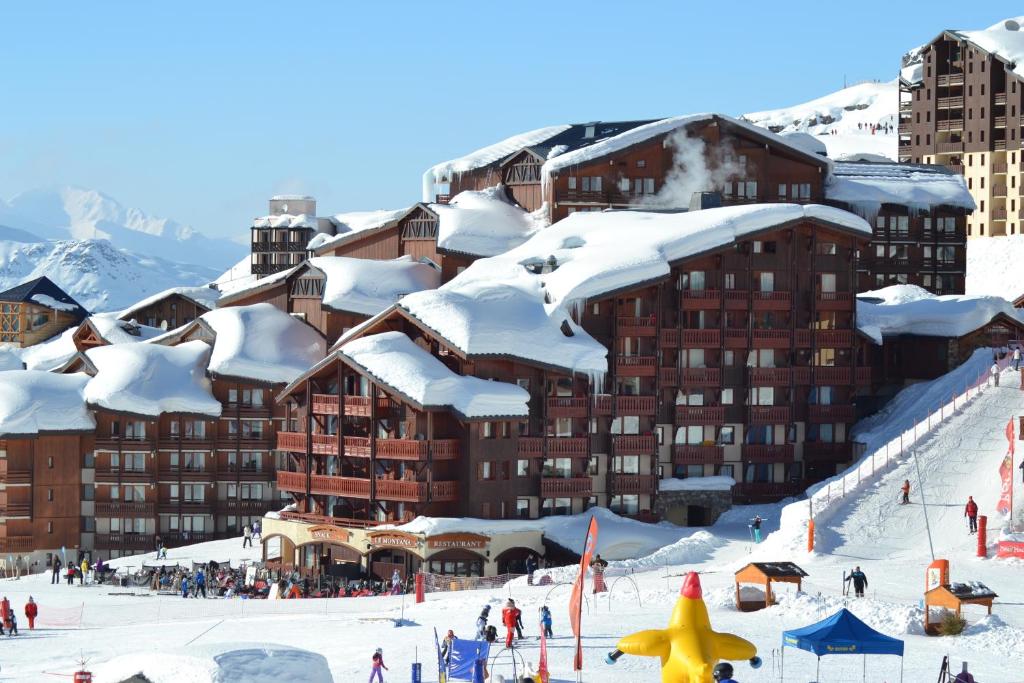
Rating: 9.3 • 103 reviews
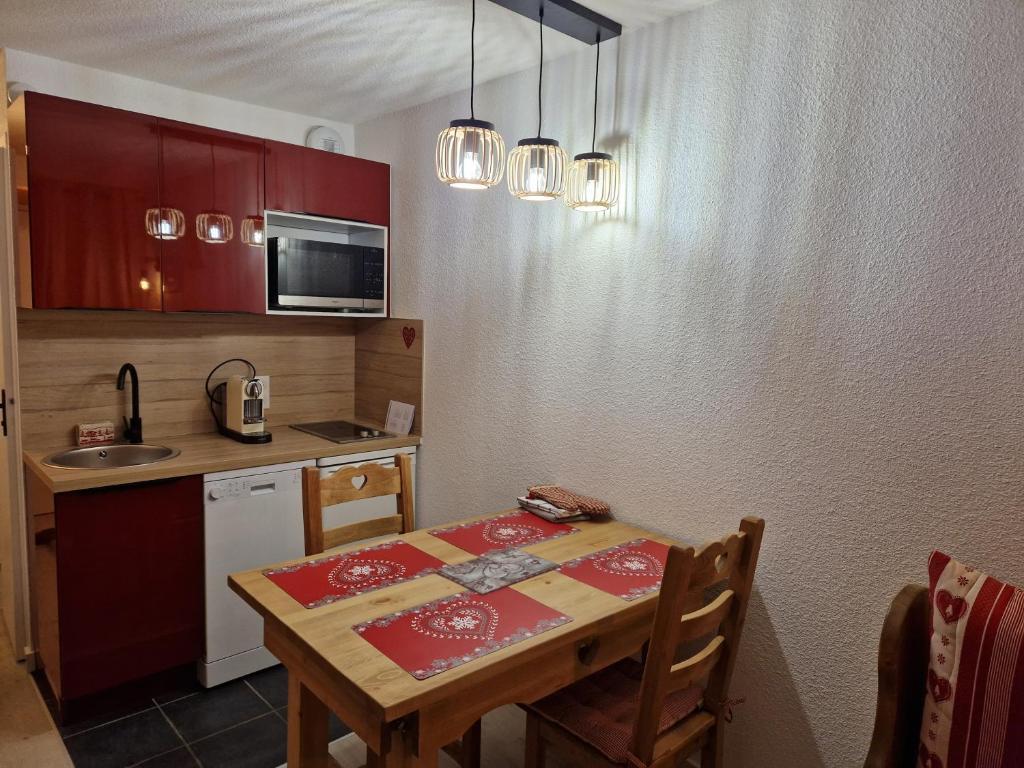
Rating: 9.4 • 38 reviews

Rating: 9.1 • 33 reviews
Apartments with a kitchen
Best suited to independent travellers and longer stays that benefit from having kitchen facilities on hand.

Rating: 9.5 • 18 reviews
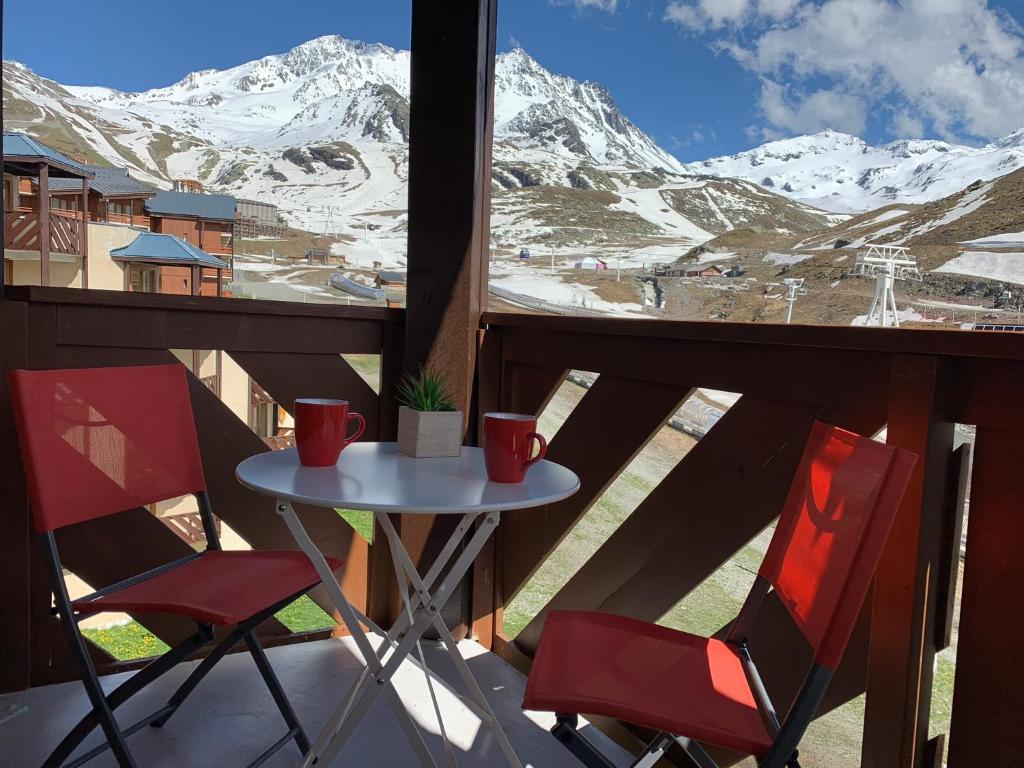
Rating: 8.7 • 55 reviews

Rating: 9.1 • 26 reviews
Mountain-view hotels
Ideal for visitors who want their accommodation to reflect Val Thorens’s alpine setting with views towards the surrounding mountains.
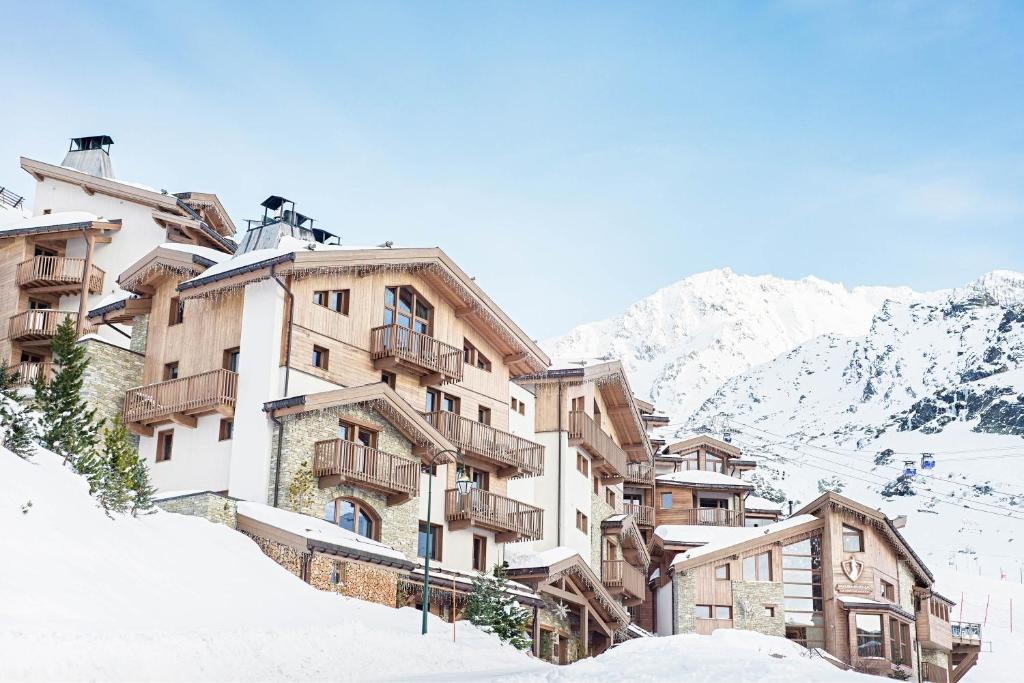
Rating: 9.5 • 103 reviews
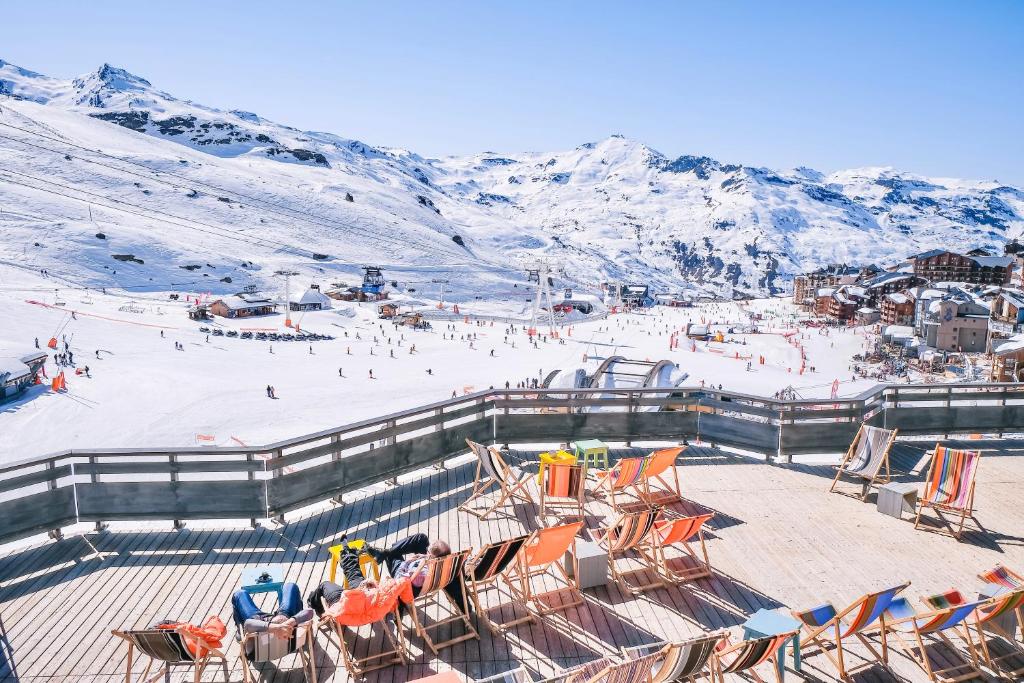
Rating: 9.1 • 271 reviews
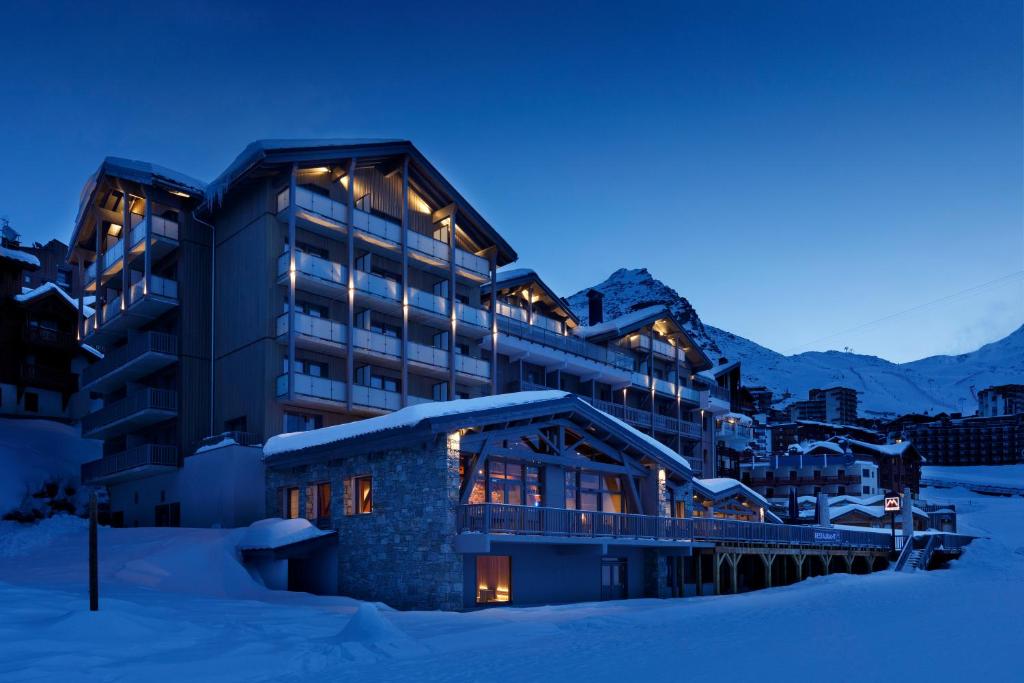
Rating: 8.6 • 292 reviews
Pet-friendly hotels
A useful option for travellers bringing a pet and looking for accommodation that welcomes them in the resort.

Rating: 8.8 • 242 reviews
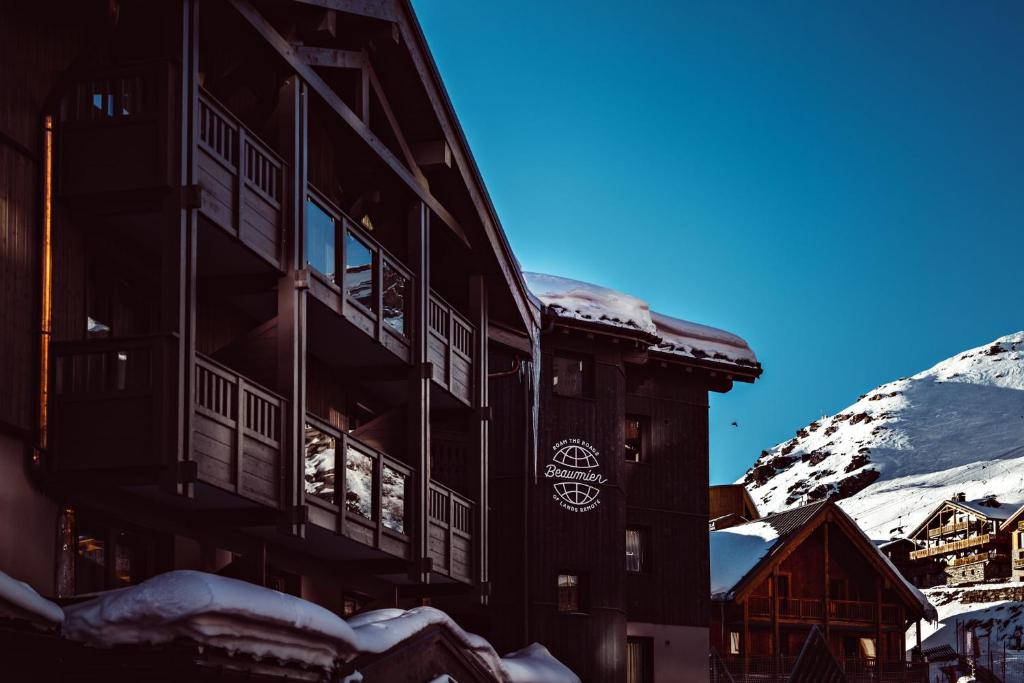
Rating: 8.6 • 129 reviews
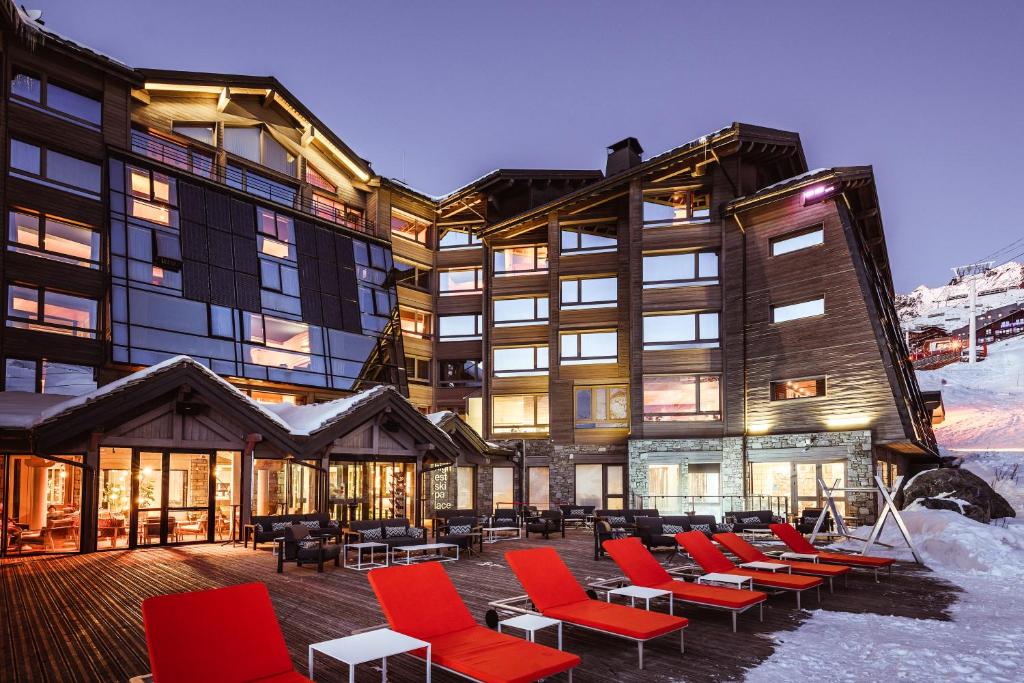
Rating: 8.5 • 235 reviews
Pet-friendly apartments
Suited to travellers with pets who also want the flexibility and space associated with apartment-style accommodation.
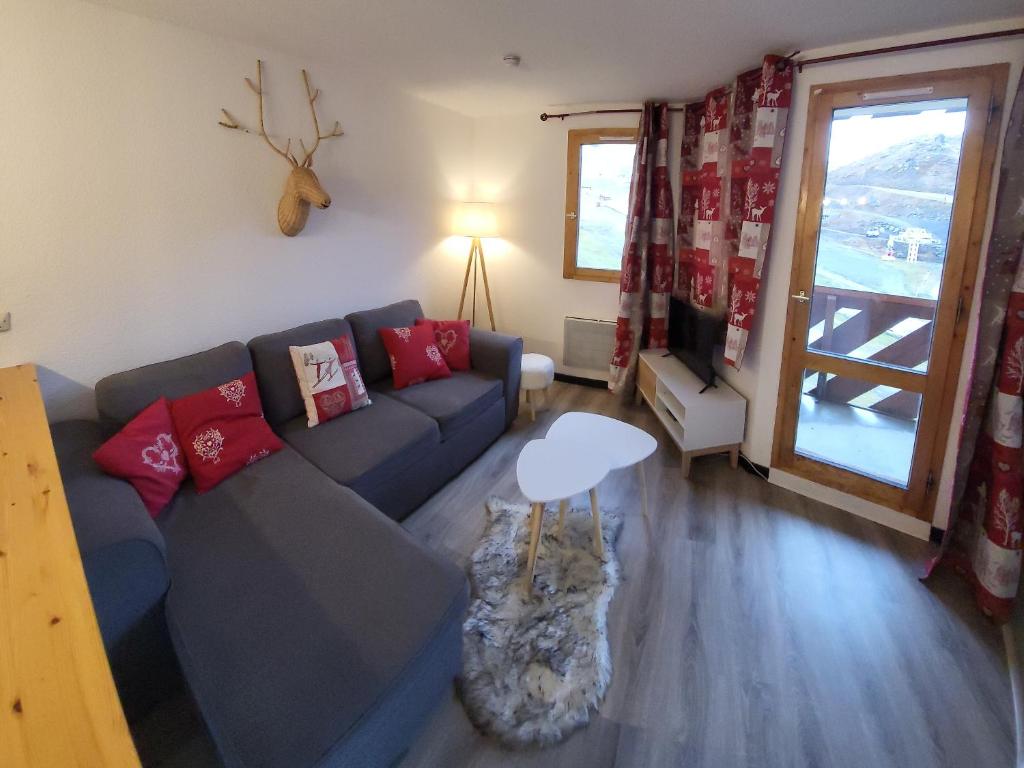
Rating: 8.6 • 40 reviews
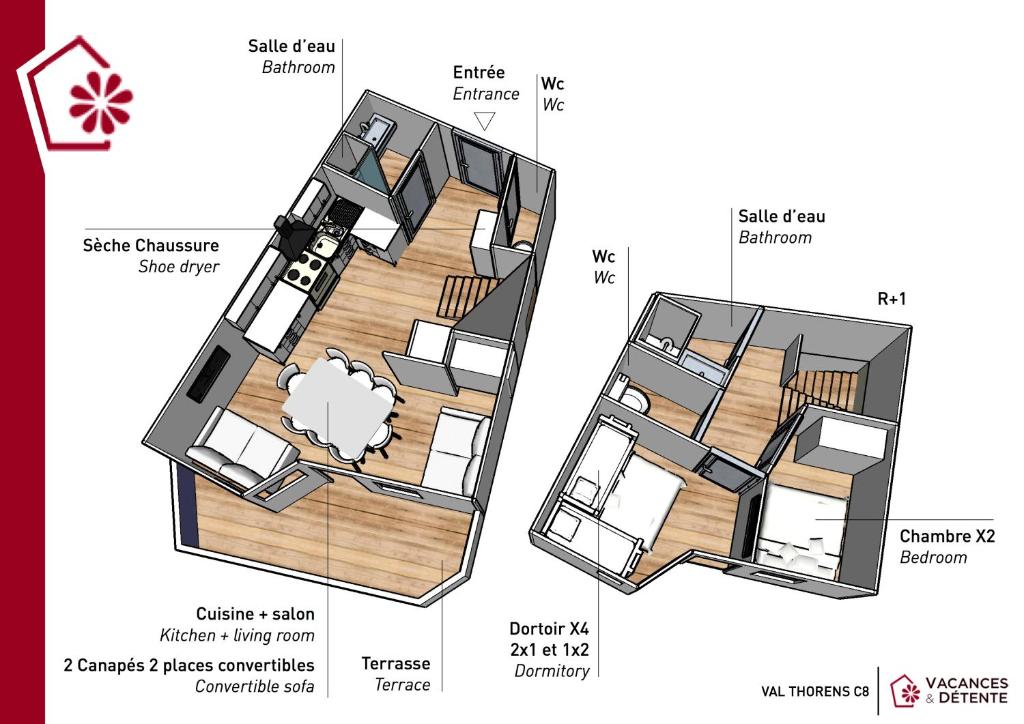
Rating: 8.6 • 25 reviews

Rating: 8.9 • 12 reviews
Spa hotels
A good fit for visitors seeking time to unwind indoors after days in the mountain environment.
Tip: check if spa access is included or paid, and opening hours/booking rules.

Rating: 8.9 • 199 reviews
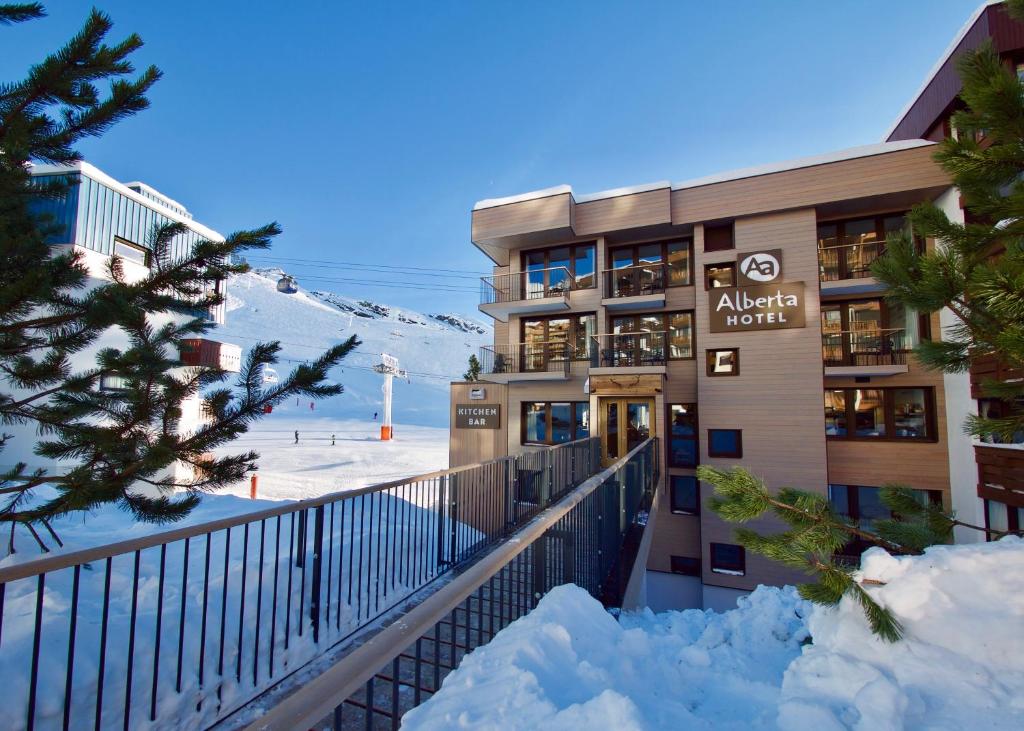
Rating: 8.8 • 311 reviews
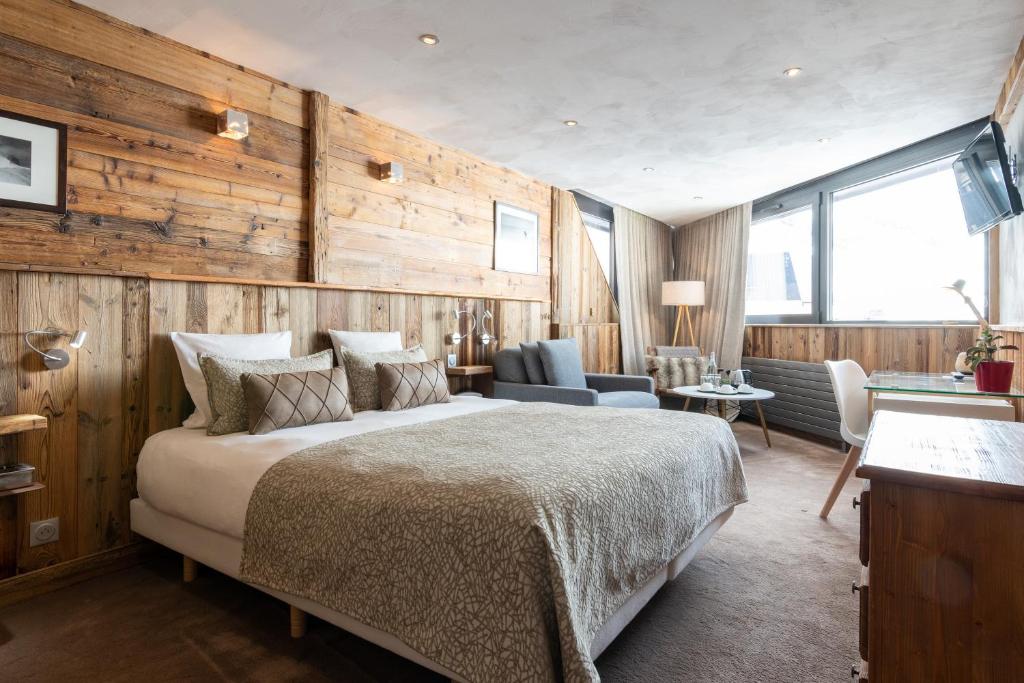
Rating: 8.6 • 171 reviews
FAQ
What currency is used in Val Thorens?
You’ll typically pay in EUR (Q4916). Cards are commonly accepted, but it’s smart to carry some cash for small purchases.
Where is Val Thorens?
Val Thorens is in the Tarentaise Valley in the French Alps, within the commune of Les Belleville in the Savoie department. It is part of the Les Trois Vallées ski area.
How high is Val Thorens?
Val Thorens sits at an altitude of 2,300 m. Its elevation is an important part of the town’s alpine character and climate.
What is Val Thorens known for?
It is known as a ski town and as part of Les Trois Vallées, a linked ski area with over 600 km of slopes. The destination also has access to distinctive mountain scenery.
What natural sights are associated with Val Thorens?
The listed sights include Lac du Lou, Lac de Tueda, Aiguille de Péclet and Cime de Caron. The Parc national de la Vanoise is also among the area’s notable natural attractions.
What is the climate like in Val Thorens?
The climate is cold for much of the year, with average temperatures below freezing in January, February, March, November and December. July and August have the mildest average temperatures in the supplied climate data.
Is Val Thorens suitable for a summer visit?
The climate data shows milder conditions and longer sunshine averages in summer, particularly in July and August. The surrounding lakes, peaks and protected alpine landscapes provide reasons to consider the destination beyond its winter identity.
What type of accommodation can I find in Val Thorens?
The available shortlists include apartments, apartments with kitchens, mountain-view accommodation, pet-friendly options and spa hotels. The best category depends on whether you prioritise independence, views, travelling with a pet or relaxation.